

Homeless Care Package Winter Guide: Essentials for 2026
On any given night, more than 500,000 Americans are unhoused, facing winter conditions that can quickly become life-threatening. As temperatures drop, the risks of hypothermia, frostbite, and illness increase for those without shelter.
This guide offers a detailed look at how to assemble a homeless care package winter edition for 2026. Our focus is on practical, up-to-date solutions that make a real difference.
You will discover essential items for warmth, hygiene, and nutrition, plus tips for packing and distributing care packages effectively. The stakes are high, but with the right steps, you can bring relief and hope to those most vulnerable this season.
Understanding the Unique Winter Needs of the Homeless in 2026
Winter presents unique, life-threatening challenges for those without stable housing. A well-prepared homeless care package winter initiative can be the difference between safety and severe risk in these months. Understanding the specific needs and dangers faced by the unhoused is essential for making a meaningful impact.
The Dangers of Winter for the Unhoused
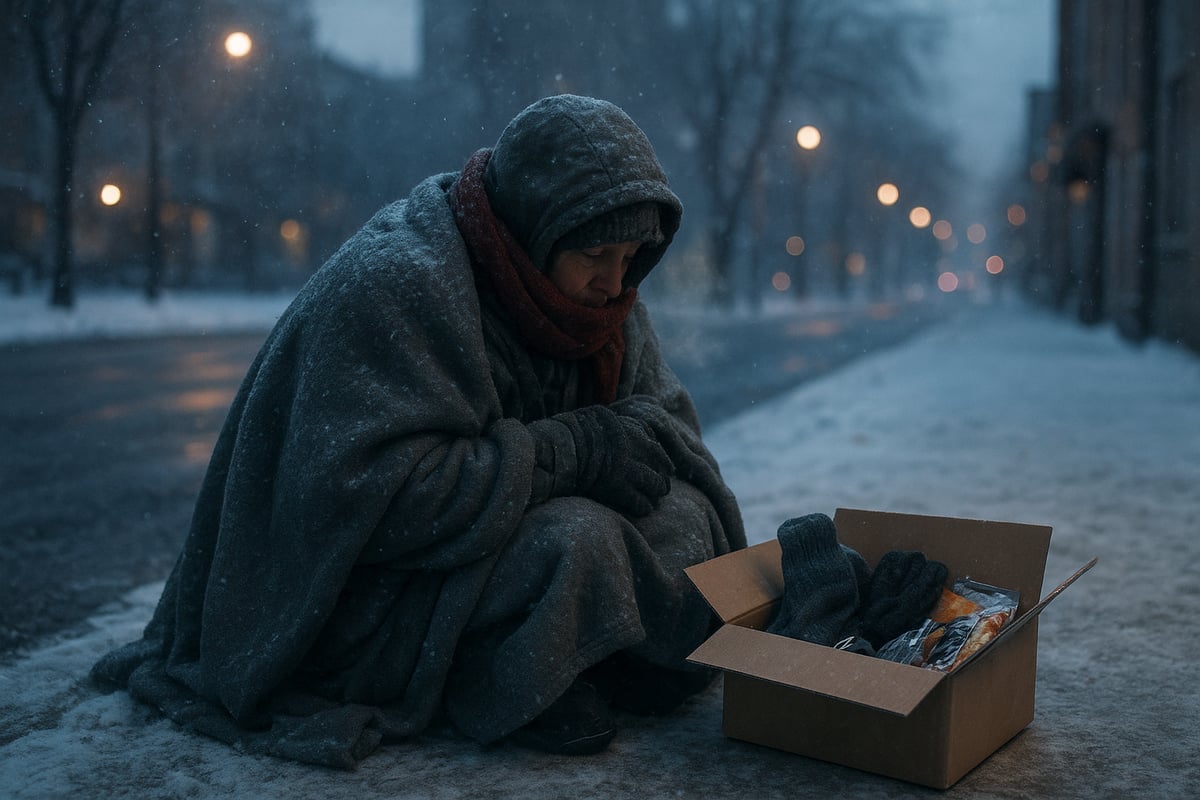
Extreme cold is a serious threat to those living outdoors. Without shelter, individuals are highly susceptible to hypothermia and frostbite. According to the CDC Hypothermia Deaths Data, more than 700 people in the United States die each year from hypothermia, with many cases occurring among those experiencing homelessness.
Several factors increase the risk:
- Lack of warm clothing and insulated gear
- Inconsistent nutrition, leading to weakened immune systems
- Limited access to safe, dry spaces
Urban environments often have more resources but also greater exposure to wind and cold. In rural areas, isolation can make accessing help even harder. Additionally, climate change has brought more unpredictable and severe winter storms, increasing urgency for effective homeless care package winter solutions.
Evolving Demographics and Special Considerations
The face of homelessness is changing. Economic instability and housing shortages have caused a significant rise in unhoused individuals, with recent reports showing an 18% increase in U.S. homelessness since 2024. This means the homeless care package winter efforts must adapt to a wider range of recipients.
Today's homeless population includes:
- Families with children needing baby supplies
- Elderly individuals with mobility and health challenges
- Veterans and youth, each with unique vulnerabilities
Many are also living with chronic illnesses, mental health conditions, or substance use disorders. These factors require tailored support, such as fragrance-free hygiene items and easy-to-open packaging. Recognizing diversity within the population ensures that every homeless care package winter addresses the real needs of those it serves.
The Role of Care Packages in Winter Survival
A thoughtfully assembled homeless care package winter can provide more than just comfort; it can save lives. Essential items like insulated clothing, nutritious food, and first aid supplies offer immediate relief from the cold.
Care packages also deliver dignity and hope. Receiving a package shows that someone cares, which can lift spirits during the harshest months. Community groups distributing these packages have noted:
- Increased engagement and trust among recipients
- Fewer emergency room visits for cold-related illnesses
- Greater connection between the housed and unhoused
This holistic approach highlights the importance of both practical and emotional support. By understanding the unique winter needs, your homeless care package winter initiative can be a powerful force for change.
Step-by-Step Guide: Assembling a Homeless Care Package for Winter 2026
Creating an effective homeless care package winter requires thoughtful planning and attention to detail. Each item you include can make a critical difference for someone facing harsh weather. Follow this step-by-step approach to ensure your package is practical, respectful, and truly impactful.
Step 1: Choose the Right Container
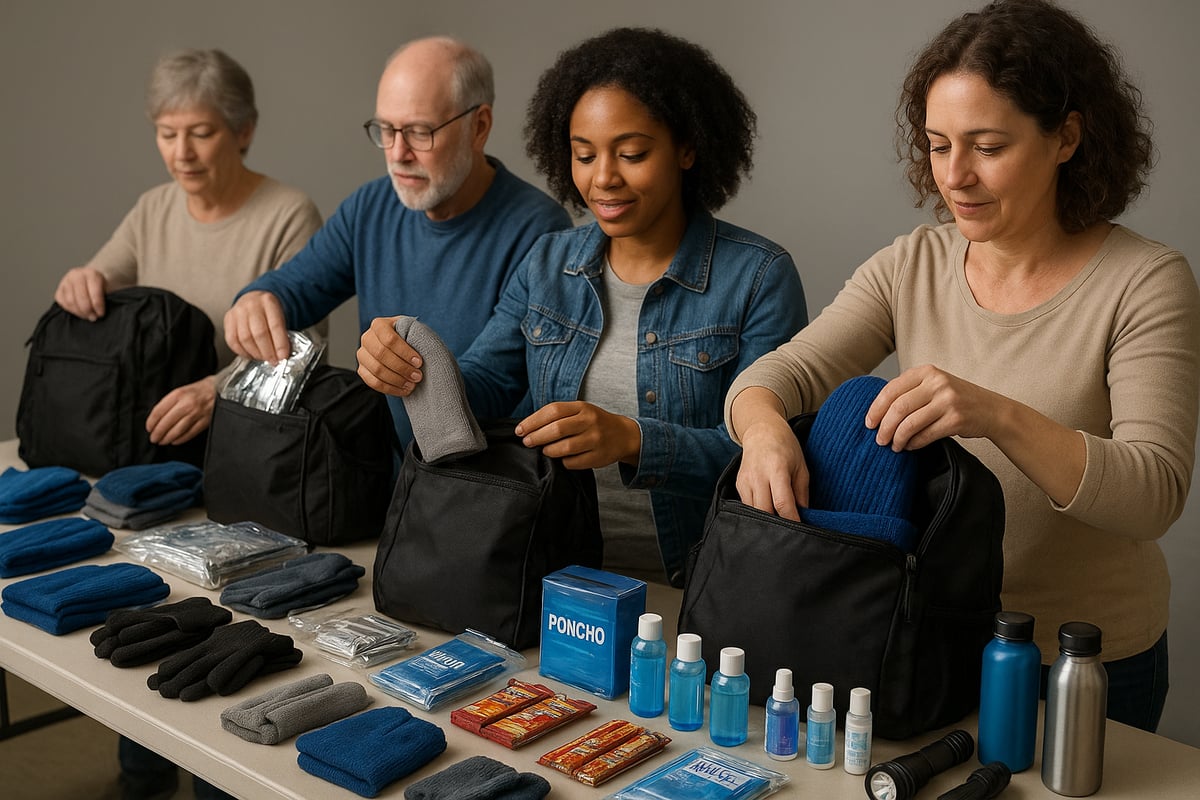
The foundation of every homeless care package winter is a sturdy, reliable container. Durability is crucial, as recipients often carry their belongings for long distances in unpredictable conditions. Opt for backpacks, drawstring bags, or reusable totes made from waterproof, weather-resistant materials.
Consider the following when selecting a container:
- Water resistance: Ensures contents stay dry during snow or rain.
- Size and capacity: Balance ease of carrying with enough space for essentials.
- Comfort: Padded straps and lightweight designs are preferable.
A well-chosen container protects the items inside and offers dignity, making it more likely that the homeless care package winter will be used daily.
Step 2: Include Essential Winter Apparel
Warm clothing is at the heart of every homeless care package winter. Exposure to cold can quickly become dangerous, so focus on insulated and weather-appropriate gear.
Key apparel items to include:
- Beanies, gloves, and scarves: These are the most requested winter items.
- Thermal or wool socks: Prevent frostbite by wicking moisture and providing insulation.
- Mylar “survival” blankets: Lightweight, waterproof, and windproof for emergency warmth.
- Rain ponchos or gear: Protects against wet conditions and wind.
Many organizations bundle beanies, gloves, and scarves together for efficiency. When possible, choose neutral colors and unisex sizes to maximize usefulness in every homeless care package winter.
Step 3: Add Hygiene and Health Supplies
Personal hygiene is often overlooked but is vital for dignity and health. Each homeless care package winter should include a range of hygiene and first aid items that are safe, compact, and easy to use.
Recommended hygiene and health supplies:
- Toothbrush, toothpaste, and deodorant (fragrance-free to avoid sensitivities).
- Heavy-duty moisturizer and lip balm to prevent chapped skin.
- Alcohol-free hand sanitizer and wipes for safe cleaning.
- Feminine hygiene products, which are essential but frequently forgotten.
- First aid basics: Bandages, antibiotic ointment, nail clippers, and a comb.
Pack these items in resealable bags to keep them organized and protect them from leaks, ensuring every homeless care package winter delivers practical support.
Step 4: Pack Nutritious, Accessible Food and Water
Food and hydration are core components of a homeless care package winter. Focus on items that are nutritious, non-perishable, and easy to eat, even without access to a kitchen or utensils.
Ideal food and hydration items include:
- Soft snacks like crackers, protein bars, and applesauce cups with spoons.
- Dried fruit and beef jerky for lasting energy.
- Reusable water bottles to encourage hydration and reduce waste.
Separate food from hygiene products for safety and convenience. For more inspiration on what to include, see this guide on food care packages for those in need. Always prioritize shelf-stable, individually wrapped options in your homeless care package winter.
Step 5: Consider Extra Items for Safety and Comfort
A thoughtful homeless care package winter goes beyond the basics to address safety and emotional well-being. Small additions can make a significant difference during the toughest months.
Consider including:
- Flashlights or headlamps for navigating dark areas.
- Hand warmers for immediate relief from the cold.
- Quarters for laundry, portable can openers, and reusable shopping bags.
- Local resource lists with information on shelters, meal sites, and clinics.
- Personal notes with messages of encouragement and hope.
These extras show recipients that someone cares, adding comfort and humanity to every homeless care package winter.
Assembling a homeless care package winter is an act of compassion and preparation. By following these steps, you can ensure your package is both practical and meaningful for those who need it most.
Essential Items Checklist: What to Pack for Maximum Impact
Putting together a thoughtful homeless care package winter can make an immediate difference for someone facing the cold. The following checklist outlines the most impactful items you can include, ensuring comfort, safety, and dignity for recipients this season.
Winter Clothing and Accessories
Warmth is the top priority in any homeless care package winter. These items help protect against freezing temperatures and maintain basic comfort.
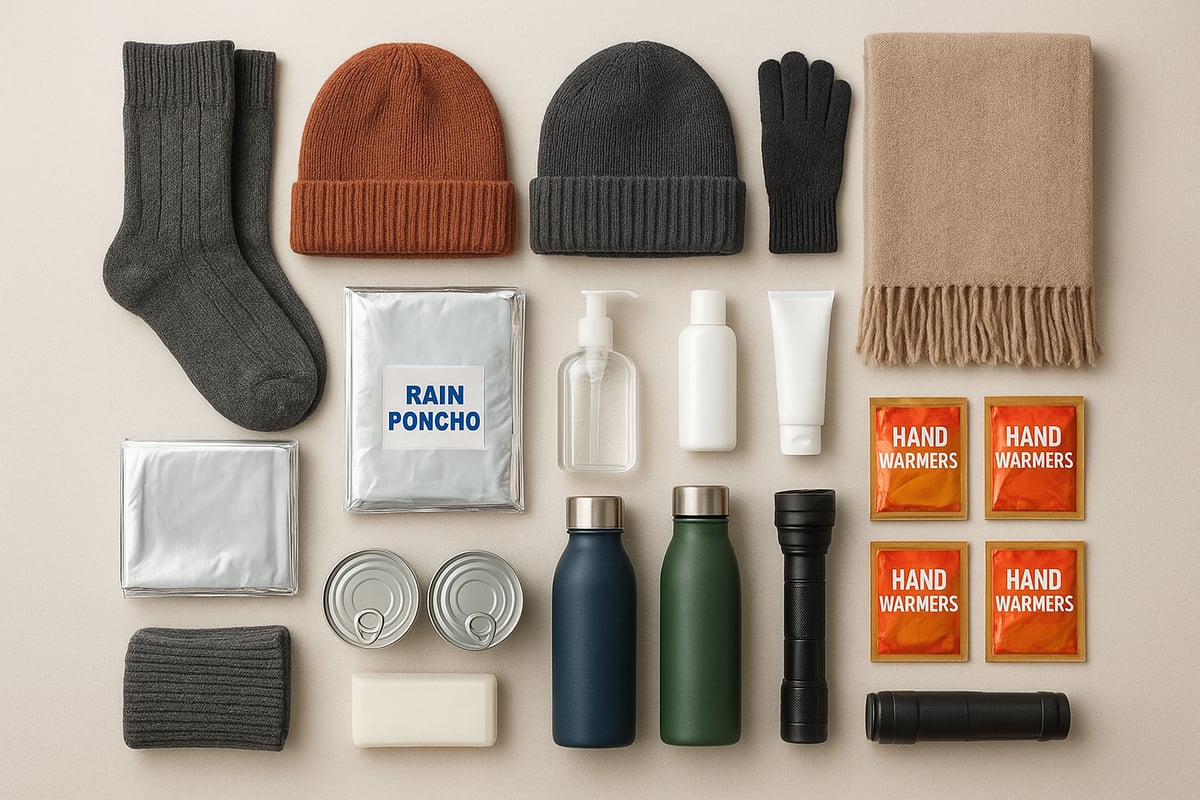
- Beanies, gloves, and scarves: The most requested winter items, offering critical insulation for exposed skin.
- Thermal socks: Opt for wool or synthetic blends to keep feet dry and warm.
- Insulated jackets or vests: If your budget allows, these provide an extra layer of protection.
- Mylar blankets: Lightweight, water-resistant, and space-efficient for emergency warmth.
- Rain ponchos: Shield against snow and rain, keeping clothes dry.
For more inspiration, consider exploring Christmas care package ideas, which often highlight seasonal essentials perfect for a homeless care package winter. When choosing clothing, always prioritize durability and portability.
Hygiene and Health Essentials
Maintaining hygiene is especially challenging for those without stable housing, making these supplies vital in a homeless care package winter.
- Toothbrush and toothpaste: Choose travel sizes for convenience.
- Deodorant: Fragrance-free options reduce risk of irritation.
- Heavy-duty moisturizer and lip balm: Prevent skin from cracking in harsh weather.
- Tissues and alcohol-free wipes: Multipurpose use for hands and face.
- Feminine hygiene products: Often overlooked, always needed.
- First aid kit: Include bandages, antibiotic ointment, nail clippers, and a small comb.
Providing comprehensive hygiene and health essentials in your homeless care package winter supports both physical wellness and dignity.
Food and Hydration
Energy and hydration are essential for surviving winter outdoors. Every homeless care package winter should include easy-to-eat, nutritious options.
- Soft snacks: Crackers, protein bars, and applesauce cups (with spoons).
- Dried fruit and beef jerky: Long shelf life and high energy.
- Cheese packs: Shelf-stable options add protein.
- Reusable water bottle: Encourages ongoing hydration and reduces waste.
Pack food separately from hygiene items to prevent contamination. Select items that require no refrigeration or preparation, making them accessible to everyone receiving a homeless care package winter.
Safety and Utility Items
Safety and convenience are important considerations for a homeless care package winter, especially during unpredictable winter conditions.
- Flashlights or headlamps (with batteries): Essential for navigating dark areas.
- Hand warmers: Provide instant relief from the cold.
- Laundry quarters: Enable access to clean clothing.
- Can openers: Useful for canned food donations.
- Reusable shopping bags: Help carry belongings or groceries.
- Local resource lists: Printed guides to shelters, clinics, and meal sites.
- Personal notes: A handwritten message can offer hope and encouragement.
Including safety and utility items ensures your homeless care package winter goes beyond basics, offering real support in daily life.
Items to Avoid
Not every item is suitable for a homeless care package winter. Avoid these to ensure safety and usefulness:
- Perishable foods: Risk of spoilage and foodborne illness.
- Alcohol-based products: Can cause irritation and are not always safe.
- Strong fragrances: May trigger allergies or sensitivities.
- Sharp objects: Present safety hazards.
- Medications: Only include if you have proper guidance and approvals.
By carefully selecting items and omitting those that could cause harm, you help make each homeless care package winter as effective and respectful as possible.
Best Practices for Packing and Distributing Winter Care Packages
Creating a successful homeless care package winter project requires thoughtful planning, careful packing, and strategic distribution. By following best practices, you can maximize your impact, ensure safety, and deliver support where it is needed most.
Packing Tips for Efficiency and Safety
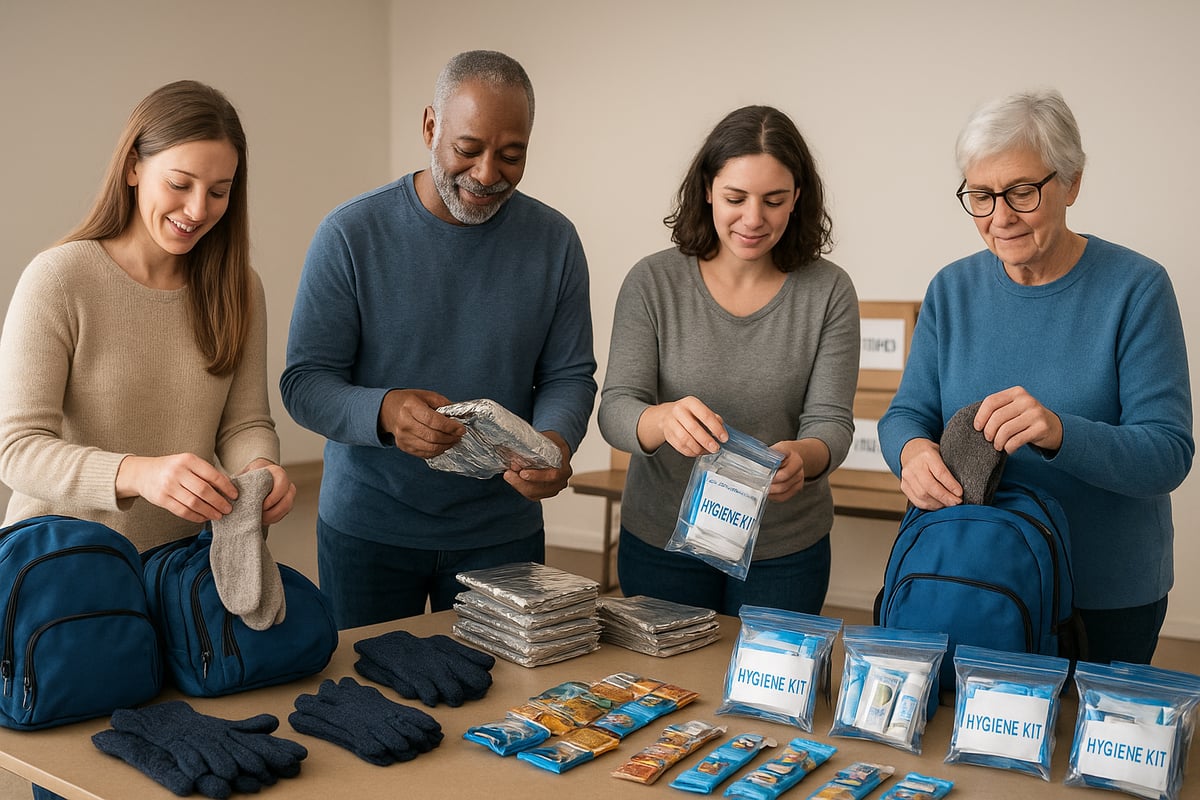
When assembling a homeless care package winter bundle, organization and safety are key. Start by grouping items by category, such as clothing, hygiene, food, and utility supplies. Use resealable bags for hygiene and food to keep everything clean and accessible.
Label all food items clearly and ensure they are individually wrapped. Items like hand warmers or first aid supplies should include simple instructions for use. For winter, choose waterproof containers or durable totes to protect contents from moisture.
For more ideas on packing with health in mind, review Healthy care packages for wellness for inspiration. Prioritizing clear organization helps recipients quickly find what they need in challenging conditions.
Distribution Strategies for Maximum Reach
Effective distribution is crucial for your homeless care package winter initiative. Collaborate with local shelters, outreach teams, and faith-based groups to extend your reach. Use community data and mapping tools to identify high-need locations and plan your routes.
Coordinate your distribution during times of extreme cold or after severe weather events, when support is most urgent. Staggering delivery dates ensures ongoing availability through the winter months.
Separate food from hygiene supplies in each package to prevent contamination. By planning ahead, you can ensure your efforts have the greatest possible impact on those facing winter without stable housing.
Safety and Respect During Distribution
Distributing a homeless care package winter offering should always prioritize the dignity and safety of recipients. Approach individuals respectfully, ask before offering assistance, and maintain personal space.
Follow all current public health guidelines, including mask-wearing if required by local authorities. Be prepared to share information about nearby shelters, meal sites, or clinics, as these resources can be just as valuable as the items in your packages.
Remember, your attitude and approach can be as meaningful as the care package itself. Small gestures of respect foster trust and connection within the community.
Community Engagement and Volunteer Coordination
A successful homeless care package winter campaign often relies on community support. Recruit and train volunteers to help with packing, organizing, and distribution. Hosting community drives for high-need items increases both resources and awareness.
Set clear roles for volunteers and ensure everyone understands guidelines for safety and respect. Tracking impact metrics, such as the number of packages distributed or feedback from recipients, helps measure success and guide future efforts.
Sharing stories and results inspires others to join in and strengthens community ties. Consistent volunteer coordination ensures your project remains effective throughout the winter.
Legal and Ethical Considerations
Before launching your homeless care package winter initiative, review local ordinances regarding food and supply distribution. Some areas have specific rules about where and how you can hand out items, especially homemade foods.
Avoid including medications or sharp objects unless you have proper guidance and legal clearance. Always use prepackaged, shelf-stable foods to comply with health codes and protect recipients.
By staying informed and following regulations, you protect both your volunteers and those you serve. Ethical practices build trust and ensure your efforts are both safe and sustainable.
Trends and Innovations in Homeless Winter Care for 2026
As the needs of unhoused individuals evolve, so must the strategies for delivering effective support. The homeless care package winter approach for 2026 is shaped by new materials, advanced technology, community partnerships, and a focus on measurable impact.
New Materials and Product Innovations
Recent years have brought significant advances in materials used for homeless care package winter essentials. Affordable thermal fabrics now deliver better warmth without bulk, making items like insulated gloves and beanies more comfortable and effective.
Solar-powered flashlights and rechargeable hand warmers are increasingly common, reducing waste and providing reliable heat and light when most needed. Eco-friendly packaging, including reusable totes and biodegradable wrappers, is replacing single-use plastics, helping to minimize environmental impact.
Bulk purchasing also allows organizations to include higher-quality items at lower costs, ensuring every homeless care package winter kit is both durable and practical.
Technology and Resource Access
Technology is transforming the way the homeless care package winter initiative connects people to resources. Digital resource cards with QR codes now link directly to local shelters, clinics, and hotlines, making access to support faster and more discreet.
Mobile apps offer real-time updates on warming centers and meal sites, helping recipients navigate their options safely. Some organizations are even piloting text-based alert systems for extreme weather events, ensuring timely information reaches those most at risk.
These innovations make the homeless care package winter process more responsive and accessible for everyone.
Community Partnerships and Funding
Strong community partnerships are essential for scaling homeless care package winter efforts. Local businesses increasingly donate bulk items or offer discounts, while corporate sponsorships and grant programs fund larger-scale initiatives.
Nonprofits collaborate with faith groups, schools, and civic organizations to host drives and coordinate distribution. By pooling resources and expertise, communities can reach more individuals, especially during peak winter months.
Growing awareness of the crisis, highlighted by reports like US homelessness up 18% in 2024, is driving greater investment and advocacy for sustainable solutions.
Addressing Special Populations
Not all homeless care package winter needs are the same. Families may require baby supplies such as diapers and formula, while elderly recipients benefit from extra-warm clothing, easy-open packaging, and larger print guides.
Culturally sensitive items, including specific hygiene products and familiar food options, help foster dignity and respect. Some groups now include personal notes and self-care items, inspired by ideas from Self-care boxes for support, to provide comfort and emotional reassurance.
Customizing homeless care package winter kits ensures no one is overlooked during the coldest months.
Measuring Impact and Adapting Strategies
Continuous improvement is vital for homeless care package winter programs. Organizations collect feedback from recipients to identify gaps and improve future kits.
Data tracking tools measure the number of packages distributed, recipient outcomes, and emerging needs. This evidence-based approach helps refine strategies, allocate resources efficiently, and inspire broader community involvement.
By adapting to changing conditions and learning from each season, the homeless care package winter initiative becomes more effective and impactful every year.
Frequently Asked Questions About Homeless Winter Care Packages
What are the most needed items for homeless care packages in winter?
The most critical items for a homeless care package winter include warm accessories like beanies, gloves, and thermal socks. Hygiene products such as toothbrushes, toothpaste, and fragrance-free deodorant are also highly valued. Non-perishable, easy-to-eat foods and compact blankets provide essential comfort.
Including these basics ensures your package meets immediate needs and offers practical support. For more context on what drives these needs, see Homelessness in the United States.
How many items should go in each package?
Aim for 10 to 15 essential items in each homeless care package winter. This range balances warmth, hygiene, and nutrition without making the package too heavy or bulky. Consider the container size and recipient mobility.
Focus on quality over quantity. A well-packed kit with thoughtfully chosen items is often more useful than an overloaded bag.
Are there items I should avoid including?
Yes, certain products should be left out of any homeless care package winter. Avoid perishable foods, alcohol-based items, strong fragrances, and anything sharp or potentially dangerous. Medications should not be included unless coordinated with professionals.
Choosing universally safe items ensures every recipient can make use of the contents without risk.
Where can I distribute care packages?
You can share a homeless care package winter at local shelters, outreach events, encampments, and community centers. Many organizations welcome donations and can guide you to areas of highest need.
Partnering with established groups helps maximize your impact and ensures packages reach those who need them most.
Can I involve children or groups in assembling care packages?
Absolutely. Assembling a homeless care package winter is a meaningful group activity. Children and youth can participate with proper guidance on safety, hygiene, and respect for recipients.
Schools, churches, and clubs often organize drives, turning the process into a valuable learning and service opportunity.
How can I ensure my care package is helpful and respectful?
Prioritize dignity by choosing durable, high-quality items for your homeless care package winter. Include a personal note and a list of local resources. Avoid anything that could be embarrassing or unusable.
Thoughtful presentation and content show respect and care, making a real difference for recipients.
What are some cost-saving tips for assembling care packages?
Buy items in bulk, seek donations, and collaborate with local businesses or organizations for discounts. Many groups offer wholesale pricing on supplies for a homeless care package winter.
Pooling resources and working together can stretch your budget while increasing your reach.
How often should I distribute winter care packages?
Distribute a homeless care package winter before and during the coldest months, ideally from late fall through early spring. Also consider providing extra support after severe weather events.
Regular distribution ensures ongoing support and helps address changing needs throughout the season.