

Hospital Gift Baskets: The Complete 2026 Guide
When someone you care about faces a hospital stay, finding the right way to show support can feel overwhelming. Hospital gift baskets offer a meaningful solution that combines practical necessities with emotional comfort, but selecting the appropriate items requires careful consideration of hospital policies, patient needs, and safety regulations. Understanding what makes an effective care package can transform a simple gesture into a powerful source of encouragement during challenging times.
Understanding Hospital Gift Basket Regulations
Healthcare facilities maintain strict guidelines regarding gifts and donations to protect patient safety and maintain hygienic environments. Before purchasing or assembling hospital gift baskets, familiarize yourself with institutional policies that govern what items patients can receive.
Most hospitals prohibit certain categories of items that could pose health risks. Guidelines for acceptable donations typically exclude latex balloons, live plants with soil, homemade foods, and items containing strong fragrances. These restrictions exist because latex can trigger severe allergic reactions, soil-based plants harbor bacteria and fungi, and unopened food products ensure safety for immunocompromised patients.
Key Safety Considerations
When selecting items for hospital gift baskets, prioritize new, unopened products that meet healthcare standards:
- Sealed packaging ensures items remain sterile and uncontaminated
- Hypoallergenic materials minimize risks for patients with sensitivities
- Fragrance-free options accommodate respiratory conditions and chemotherapy patients
- Non-perishable selections extend usability throughout extended hospital stays
- Individual portions provide convenience and maintain freshness
Children's hospitals enforce additional safety requirements for donations that emphasize age-appropriate items, choking hazard prevention, and developmental considerations. Understanding these specialized needs helps create truly beneficial care packages for pediatric patients.

Essential Components of Therapeutic Hospital Gift Baskets
The most effective hospital gift baskets balance practical utility with emotional support. Rather than focusing solely on entertainment or generic treats, thoughtfully curated packages address specific wellness needs patients encounter during recovery.
Comfort and Personal Care Items
Hospital environments, while medically necessary, often lack personal touches that promote psychological wellbeing. Including comfort-focused items transforms sterile spaces into more welcoming environments:
| Item Category | Purpose | Examples |
|---|---|---|
| Skin Care | Combat dryness from hospital air | Unscented lotion, lip balm, hand cream |
| Hygiene Essentials | Maintain personal care routines | Travel-size toiletries, dry shampoo, face wipes |
| Comfort Accessories | Enhance physical comfort | Soft socks, eye masks, neck pillows |
| Organizational Tools | Keep necessities accessible | Small storage pouches, phone holders, notebook |
The everyday wellness recovery care package exemplifies this approach by combining symptom relief products with comfort items that support the healing process.
Nutritional Support Elements
Hospital food serves medical purposes but may not align with personal preferences or provide the variety patients crave. Appropriate food items in hospital gift baskets should meet nutritional needs while complying with dietary restrictions.
Select shelf-stable, individually packaged options that require no refrigeration or preparation. Premium crackers, nut butter packets, herbal tea collections, electrolyte powders, and protein-rich snacks offer both nutrition and comfort. Always verify any dietary restrictions or medical limitations before including food items.
Customizing Hospital Gift Baskets for Specific Situations
Different medical circumstances require tailored approaches to gift basket selection. Understanding the nature of a hospital stay enables you to create more relevant and helpful care packages.
Post-Surgical Recovery Baskets
Patients recovering from surgery face unique challenges including pain management, limited mobility, and specific dietary requirements. Hospital gift baskets for surgical patients should emphasize items that support healing and reduce discomfort.
Consider including gentle throat lozenges for patients recovering from intubation, easily digestible snacks that won't upset sensitive stomachs, and entertainment options that don't require physical exertion. The rest and rehydration essentials package provides targeted support for these specific recovery needs.
A surgery recovery gift basket should focus on items that facilitate the healing journey while acknowledging the emotional challenges of post-operative recovery. Items that reduce boredom during bed rest periods prove particularly valuable.
Specialized Care for Extended Stays
Longer hospitalizations require different considerations than brief admissions. Patients spending weeks in medical facilities benefit from hospital gift baskets that provide ongoing support rather than one-time use items.
Items for Extended Hospital Stays:
- Quality entertainment - Books, puzzle books, streaming device accessories
- Rotation of comfort items - Multiple pairs of comfortable socks, varied personal care products
- Communication tools - Phone chargers, tablet stands, writing materials for correspondence
- Wellness boosters - Immune health support items that complement medical treatment
- Mental health support - Journals, meditation guides, stress-relief tools

Specialty Hospital Gift Baskets for Specific Conditions
Medical conditions influence what items provide the greatest benefit. Customizing hospital gift baskets to address specific symptoms or treatment side effects demonstrates thoughtful consideration.
Respiratory and Sinus Support
Patients dealing with respiratory illnesses or recovering from breathing-related procedures require specialized care items. The respiratory and sinus support package addresses these particular needs with targeted symptom relief products.
Include items that ease congestion, support comfortable breathing, and provide soothing relief without violating hospital restrictions on certain gifts. Steam inhalers, saline nasal spray, mentholated tissues, and caffeine-free herbal teas specifically formulated for respiratory support offer practical benefits.
Targeted Relief Packages
Different ailments require different supportive measures. Hospital gift baskets gain effectiveness when they directly address the patient's primary symptoms:
| Condition Focus | Recommended Items | Avoid |
|---|---|---|
| Throat Issues | Honey packets, soft lozenges, warm drink mixes | Citrus products, spicy items, hard candies |
| Head and Body Pain | Cooling gel packs, gentle aromatherapy, stress balls | Strong scents, bright items, noisy products |
| Digestive Concerns | Ginger products, bland crackers, peppermint tea | Heavy foods, dairy, acidic items |
| Immune Recovery | Vitamin C supplements, zinc lozenges, protein snacks | Raw foods, unpasteurized items, shared containers |
The throat care soothing support package and head and body relief package demonstrate how focused curation addresses specific wellness challenges.
Presentation and Delivery Considerations
How you present and deliver hospital gift baskets significantly impacts their effectiveness and compliance with institutional guidelines. Professional presentation shows respect for the recipient while ensuring items pass hospital security protocols.
Packaging Best Practices
Clear, organized packaging allows hospital staff to quickly verify contents while maintaining visual appeal. Use transparent cellophane wrapping or containers with visible contents rather than opaque boxes that require complete unpacking for inspection.
Arrange items logically with the most immediately useful products positioned for easy access. Include a detailed contents list attached to the outside of the package, which expedites security review and helps medical staff identify any contraindicated items based on patient restrictions.
Professional Packaging Elements:
- Secure but easily removable outer wrapping
- Clear labeling with sender and recipient information
- Separation of food items from personal care products
- Stability to prevent shifting during transport
- Size appropriate for limited hospital room storage
Timing and Coordination
Coordinate delivery timing with hospital visiting hours and patient schedules to ensure proper receipt. Many facilities offer gift basket services through their gift shops, providing guaranteed compliance with institutional policies and reliable delivery to patient rooms.
Consider the patient's treatment schedule when selecting delivery dates. Avoid scheduling arrival during anticipated procedure times, therapy sessions, or immediate post-operative periods when patients may be unable to appreciate or use the gifts.
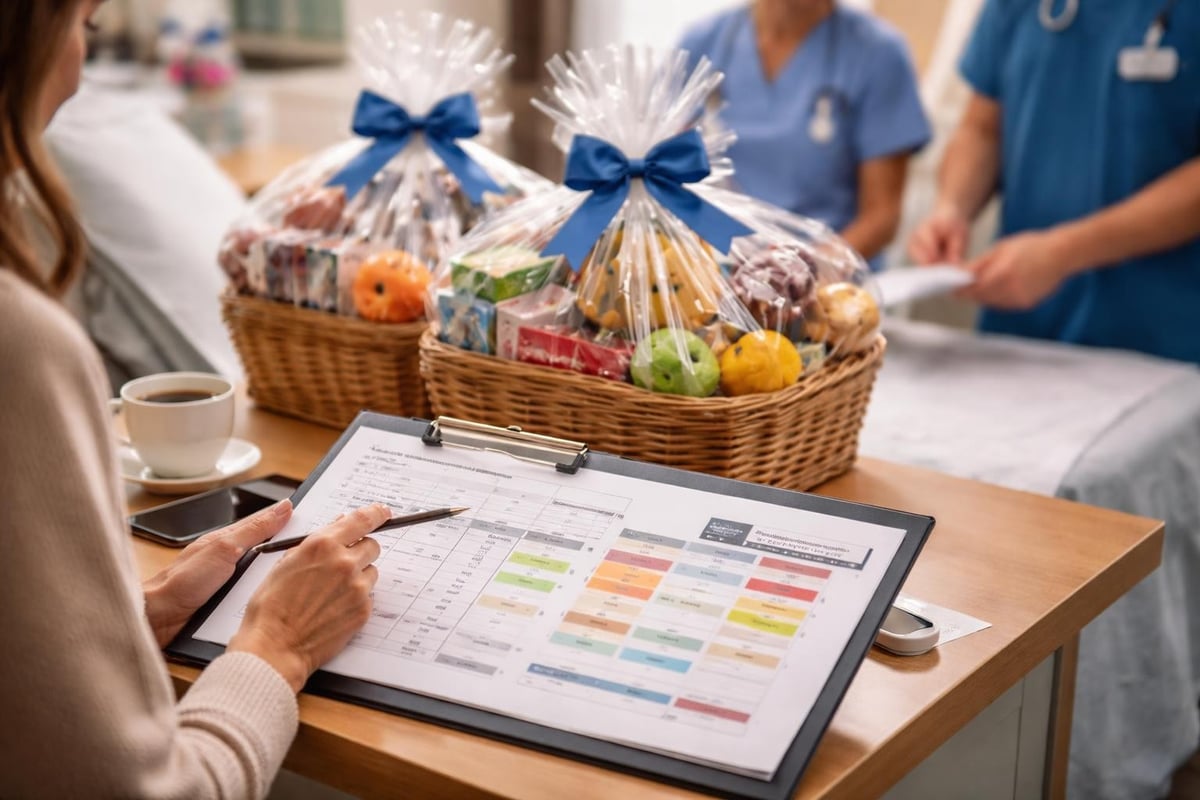
Building Emotional Connections Through Thoughtful Selection
Beyond physical items, hospital gift baskets serve as tangible expressions of care, concern, and emotional support. The psychological impact of receiving a thoughtfully curated package during illness should not be underestimated.
Personalization Strategies
Generic gifts fulfill basic needs, but personalized selections create deeper emotional connections. Research the recipient's preferences, hobbies, and personality to inform your choices within the parameters of hospital-safe items.
For a reader who loves mysteries, include puzzle books and brain teasers alongside comfort items. For someone who finds peace in mindfulness, incorporate meditation resources and calming herbal teas. The care package for someone sick approach emphasizes understanding individual needs and preferences.
Including Meaningful Touches
Small personal elements transform functional hospital gift baskets into cherished gestures:
- Handwritten notes expressing specific encouragement
- Photos of loved ones in small frames or printed cards
- Playlist recommendations or downloaded audiobooks on a note card
- Favorite quotes or inspirational messages on bookmark cards
- Updates from home, work, or social circles to maintain connections
These additions cost little but significantly enhance the emotional value of your gift, reminding patients they remain connected to their normal lives beyond hospital walls.
Addressing Special Populations
Certain patient populations require additional consideration when selecting hospital gift baskets. Age, treatment type, and specific medical circumstances all influence what items provide the greatest benefit and safety.
Pediatric Patient Considerations
Children face unique emotional challenges during hospitalization, including separation anxiety, fear of procedures, and boredom. Hospital gift baskets for pediatric patients should balance age-appropriate entertainment with comfort items that ease anxiety.
Safety remains paramount with younger recipients. Ensure all items meet age recommendations, contain no small parts for children under three, and avoid materials that could pose choking hazards. Educational toys, activity books, stuffed animals (where permitted), and child-friendly snacks create positive distractions from medical environments.
Chemotherapy and Cancer Treatment Support
Patients undergoing cancer treatment experience specific side effects that influence gift appropriateness. Nausea, taste changes, immune suppression, and extreme fatigue all affect what items prove beneficial versus potentially problematic.
Avoid strongly scented products that may trigger nausea. Select bland, easily digestible foods that accommodate altered taste perception. Include items that require minimal energy expenditure, as fatigue often limits patients' ability to engage with complex entertainment or personal care routines.
Budgeting and Value Optimization
Effective hospital gift baskets need not strain your budget. Strategic selection and thoughtful curation create meaningful impact regardless of price point.
Cost-Effective Quality Selections
Focus spending on items that provide the greatest utility and comfort rather than quantity. Five carefully chosen, high-quality products often provide more value than twenty generic items that may go unused.
| Budget Range | Recommended Approach | Sample Focus |
|---|---|---|
| Under $30 | 3-5 essential comfort items | Premium lotion, quality socks, herbal tea, entertainment |
| $30-$60 | Balanced wellness support | Symptom relief, nutrition, comfort, entertainment mix |
| $60-$100 | Comprehensive care package | Multiple symptom categories, variety within each type |
| Over $100 | Specialized therapeutic focus | Medical-grade support items, extended use products |
The seasonal wellness comfort care package demonstrates how curated selection maximizes impact within defined budgets.
Group Gifting Strategies
Coordinating contributions from multiple people allows for more comprehensive hospital gift baskets without placing financial burden on any single individual. Establish a clear organizer who manages collection and purchasing to ensure cohesive final products rather than duplicate items.
Create a shared list of needed items based on the patient's specific situation, allowing contributors to claim specific categories. This approach ensures comprehensive coverage of different need areas while preventing redundancy.
Professional and Workplace Gifting Protocols
When sending hospital gift baskets in professional contexts, additional considerations regarding appropriateness and compliance apply. Understanding workplace gifting ethics and healthcare industry regulations prevents unintended violations.
Corporate Gift Guidelines
Organizations must navigate complex regulations when providing gifts in healthcare settings. Guidelines for professional interactions establish appropriate value limits and acceptable gifting circumstances to maintain ethical standards.
Workplace hospital gift baskets should remain modest in value, typically under nominal limits established by institutional policies. Focus on supportive items rather than luxury products, and ensure gifts cannot be construed as attempts to influence business relationships or patient care decisions.
Healthcare Worker Recipient Considerations
When healthcare workers become patients, specific policies govern gift acceptance from colleagues and patients. Understand that shareable items like food baskets may be distributed among departments, while personal care items should suit individual use.
For medical professionals recovering from illness or surgery, consider items that acknowledge their healthcare expertise while providing genuine comfort. Avoid overly medical themes that might remind them too much of their professional environment during their own recovery time.
Alternative Delivery Methods and Options
Traditional hospital gift baskets represent just one approach to showing support. Understanding alternative methods expands your options for providing meaningful assistance during medical challenges.
Direct Service Providers
Same-day delivery services through hospital gift shops offer convenience and guaranteed compliance with facility policies. These services understand institutional requirements and maintain inventories of pre-approved items, eliminating guesswork about acceptable contents.
While potentially more expensive than self-assembled options, professional services save time and reduce the risk of delivering prohibited items. They also provide reliable delivery confirmation, ensuring your gift reaches the intended recipient without delay.
Virtual and Digital Support
When physical delivery proves impractical or hospital policies restrict visitors and deliveries, digital alternatives maintain emotional connections. Streaming service subscriptions, audiobook credits, online game access, or digital magazine subscriptions provide entertainment and comfort without requiring physical space or hospital approval.
Combine digital gifts with a smaller physical component delivered through approved channels to balance virtual convenience with tangible presence. This hybrid approach maximizes flexibility while maintaining the personal touch of physical gift giving.
Seasonal Considerations for Hospital Gift Baskets
Different times of year present unique opportunities and challenges for hospital gifting. Seasonal contexts influence both practical needs and emotional impact of care packages.
Holiday Season Adaptations
Hospitalizations during holidays create additional emotional stress as patients miss traditional celebrations and family gatherings. Holiday-themed hospital gift baskets should balance festive elements with sensitivity to the recipient's circumstances.
Include modest holiday decorations suitable for limited space, seasonal treats that comply with dietary needs, and items that help patients participate in celebrations from their hospital rooms. Video calling equipment, digital holiday cards they can send to others, and festive but hospital-appropriate entertainment help maintain holiday spirit.
The Christmas care package approach demonstrates thoughtful seasonal adaptation while maintaining focus on wellness support rather than generic celebration.
Weather-Appropriate Contents
Seasonal weather creates specific comfort needs. Winter hospitalizations benefit from warm socks, hot beverage mixes, and moisturizers that combat dry heated air. Summer stays require cooling items, lighter fabrics, and refreshing beverages that help patients manage temperature regulation challenges in climate-controlled facilities.
Align your hospital gift baskets with seasonal wellness challenges beyond just calendar dates. Flu season calls for immune support items, while allergy seasons suggest respiratory relief products, regardless of the recipient's specific diagnosis.
Long-Term Support Beyond Initial Hospitalization
The most thoughtful approach to hospital gift baskets considers ongoing recovery needs beyond the immediate hospital stay. Planning for extended support demonstrates enduring commitment to the recipient's wellbeing.
Post-Discharge Care Packages
Recovery continues after hospital release, often with new challenges as patients manage care at home without constant medical supervision. Consider sending a follow-up package timed for home delivery shortly after discharge, containing items that support the transition period.
Home recovery baskets might include meal delivery gift cards for days when cooking proves difficult, entertainment for continued bed rest, supplies for wound care or medication management, and comfort items for recuperation at home. This extended support often proves more valuable than the initial hospital delivery as patients face the reality of recovery timelines.
Staged Delivery Approach
Rather than one large hospital gift basket, consider multiple smaller packages delivered throughout the recovery journey. An initial comfort-focused delivery during hospitalization, followed by a nutritional support package after a week, and finally an activity-based package as energy returns creates ongoing encouragement.
This staged approach prevents overwhelming patients with too many items at once while maintaining consistent emotional support throughout the challenging recovery period. It also allows you to adjust subsequent packages based on feedback about the patient's evolving needs and preferences.
Selecting appropriate hospital gift baskets requires balancing safety regulations, individual needs, and genuine emotional support to create meaningful gestures during challenging times. Understanding what items provide both practical utility and psychological comfort transforms simple gifts into powerful tools for healing and connection. When you need expertly curated care packages that genuinely support recovery while meeting all safety standards, FEELBETTERGIFTS offers thoughtfully designed solutions featuring premium quality items specifically chosen to soothe symptoms, boost healing, and foster the emotional connections that make recovery journeys more bearable.